












- Your cart is empty Browse Shop
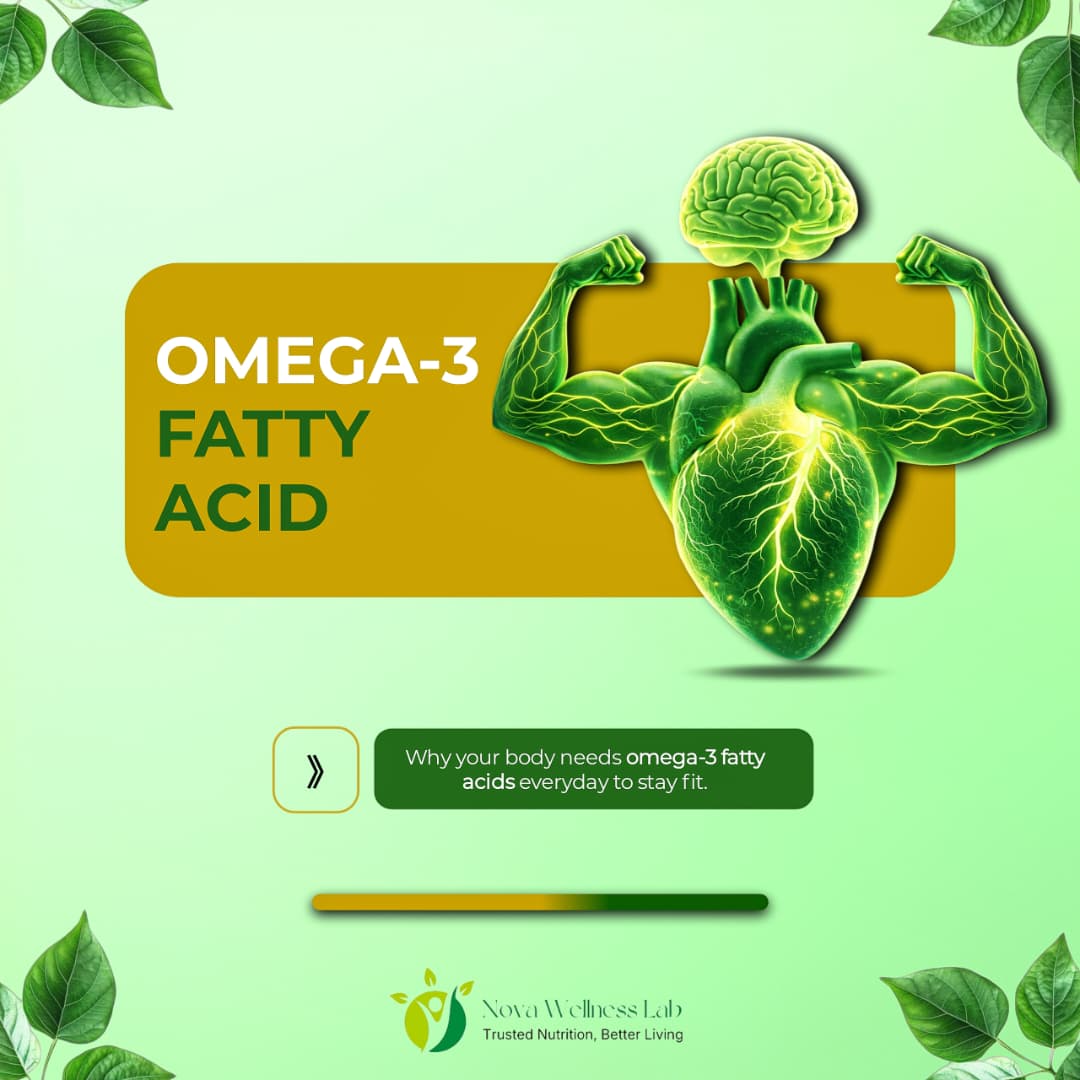
Omega-3 Fatty Acids: Why Your Body Depends on Them Every Day
O mega-3 fatty acids are a group of essential fats that the human body cannot produce on its own, which means they must come from diet or supplementation. The three most discussed types are ALA (alpha-linolenic acid), EPA (eicosapentaenoic acid), and DHA (docosahexaenoic acid). Each plays a distinct role in supporting normal body functions.
From a structural standpoint, omega-3s are key components of cell membranes. They help maintain flexibility and proper communication between cells, which is especially important in tissues such as the brain, eyes, and nervous system. DHA, in particular, is a major structural fat in the brain and retina.
Omega-3s are also involved in the body’s natural inflammatory response. Rather than eliminating inflammation entirely, they help support a balanced response, which is important for everyday physical function and recovery. This balance is one reason omega-3 intake is often discussed in relation to active lifestyles and long-term wellness.
Another important role of omega-3 fatty acids is their involvement in cardiovascular function. They contribute to normal circulation and help support the structure of blood vessels as part of a healthy lifestyle that includes balanced nutrition and physical activity.
Because modern diets often contain higher amounts of omega-6 fats and lower amounts of omega-3s, many people do not achieve an optimal balance through food alone. Learning about omega-3s allows individuals to make more informed dietary choices that align with their overall wellness goals.
Understanding Omega-3 Fatty Acids in Everyday Nutrition

Why Omega-3 Intake Matters More as We Age
As people grow older, the body’s ability to efficiently process and utilize fats can change. Omega-3 fatty acids play an important role in supporting normal cellular function, which becomes increasingly relevant with age. These fats help maintain cell membrane flexibility, allowing cells to communicate properly and respond to everyday physical demands.
In older adults, omega-3 intake is often discussed in relation to maintaining normal brain function, vision, joint comfort, and cardiovascular wellness as part of a balanced lifestyle. Since omega-3s are essential fats, consistent intake becomes important over time, especially when dietary sources are limited.

Common Dietary Sources of Omega-3 Fatty Acids
Omega-3s can be obtained from both plant and marine sources, though the type of omega-3 varies:
ALA (Alpha-linolenic acid): Found in plant foods such as flaxseed, chia seeds, walnuts, and some vegetable oils.
EPA & DHA:
Primarily found in fatty fish like sardines, salmon, mackerel, and anchovies.
While plant-based ALA can be converted into EPA and DHA in the body, this conversion is often inefficient, particularly in older adults. This is why marine-sourced omega-3s are commonly emphasized in nutrition education.
Omega-3 Supplements: What Role Do They Play?
Omega-3 supplements are designed to help individuals meet their daily intake when food sources alone may not be sufficient. High-quality supplements typically provide EPA and DHA in balanced amounts to support normal body functions.
When selecting an omega-3 supplement, important factors include:
When selecting an omega-3 supplement, important factors include:
Purity and quality of the oil
Balanced EPA and DHA content
Stability and freshness
Absence of heavy metals and contaminants
Supplementation is not intended to replace a healthy diet but to support nutritional consistency, especially for individuals who consume little or no fatty fish.

Who May Benefit from Omega-3 Supplementation?
Omega-3 supplementation may be suitable for:
Adults seeking to support heart and circulation health as part of a healthy lifestyle
Older individuals interested in maintaining brain and eye function
People with limited intake of fatty fish
Individuals focused on joint comfort and mobility through balanced nutrition
Anyone aiming to improve their overall fat intake balance (omega-3 to omega-6)
It is always recommended that individuals consider their personal dietary habits and consult a qualified professional when making nutritional decisions.

How Omega-3 Supplements Are Commonly Used
Omega-3 supplements are typically taken:
With meals, to improve absorption
Consistently on a daily basis
As part of a broader wellness routine that includes balanced nutrition, hydration, and physical activity
Omega-3 fatty acids are foundational nutrients that quietly support many everyday body processes. For older adults especially, learning about omega-3s helps reinforce the importance of consistent, balanced nutrition over time. Education is the first step toward making thoughtful wellness decisions that support long-term quality of life.
Recommended Products
13%


Whole, cold pressed wheat germ oil rich in naturally occurring Vitamin E which acts as a powerful antioxidant
₦38,910.00₦45,000.00
9%

A powerful, fat-soluble antioxidant, to support overall health.
₦36,400.00₦40,000.00
January 28, 2026