



- Your cart is empty Browse Shop
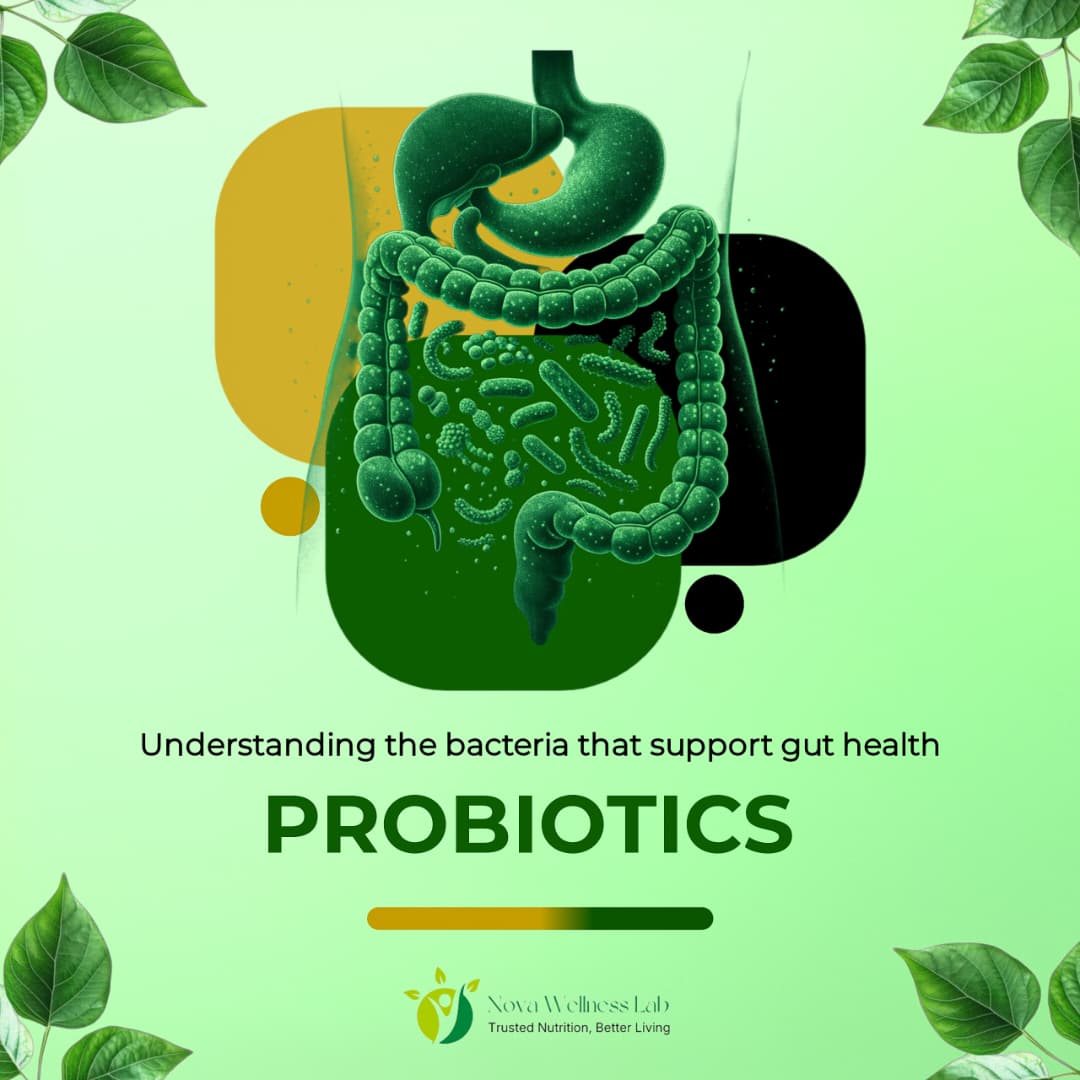
Probiotics for Gut Health: Understanding the Bacteria That Support Digestion
P robiotics are live microorganisms often referred to as “beneficial bacteria” that support the normal balance of microbes in the digestive system. The human gut is home to trillions of bacteria, both helpful and harmful, and balance is key.
Probiotics support digestion by helping break down certain foods and assisting in nutrient absorption. They also contribute to maintaining the integrity of the gut lining, which plays a role in overall digestive comfort.
Beyond digestion, probiotics are involved in immune system interaction. A significant portion of immune activity is associated with the gut, making microbial balance an important factor in overall wellness.
Different probiotic strains serve different purposes, which is why diversity matters. A well-balanced gut microbiome supports regular digestion, nutrient utilization, and internal balance.
Understanding probiotics empowers individuals to make informed decisions about gut health as part of a broader lifestyle that includes nutrition, hydration, and stress management.
Understanding Probiotics and Gut Balance in Everyday Wellness

Why Gut Health Becomes More Important With Age
As people grow older, digestive efficiency and microbial balance in the gut can naturally change. Probiotics play a supportive role by helping maintain a healthy balance of beneficial bacteria within the digestive system. This balance is important for normal digestion, nutrient absorption, and overall digestive comfort.
For older adults, gut health is often discussed in relation to maintaining regularity, digestive ease, and internal balance. Since the gut environment is influenced by diet, lifestyle, stress, and medication use, supporting microbial balance becomes increasingly relevant over time.

The Gut Microbiome: A Closer Look
The gut microbiome refers to the community of microorganisms living in the digestive tract. These bacteria interact with food, the gut lining, and the immune system on a daily basis. Beneficial bacteria help:
Break down certain foods the body cannot digest on its own
Support nutrient availability
Maintain the integrity of the gut lining
An imbalance between beneficial and less helpful bacteria can affect digestive comfort, which is why maintaining microbial diversity is often emphasized in nutrition education.
Probiotic Supplements and Their Role in Nutrition
Probiotic supplements are formulated to help introduce beneficial bacteria into the digestive system, especially when diet or lifestyle factors may limit natural intake. These supplements typically contain specific strains selected for their ability to survive digestion and reach the gut.
Quality-focused probiotic supplements often emphasize:
Multiple bacterial strains for diversity
Adequate potency for daily use
Stability and protection through digestion
Supplementation is intended to support gut balance as part of a healthy lifestyle, not replace nutritious food choices.

Who May Consider Probiotic Supplementation?
Probiotic supplementation may be suitable for:
Older adults seeking to support digestive balance and comfort
Individuals with limited intake of fermented foods
People focused on nutrient absorption and gut function
Those interested in supporting the gut–immune connection
Anyone aiming to maintain microbial diversity in daily nutrition
Individual needs vary, and dietary habits and lifestyle factors should always be considered when making supplementation choices.

How Chromium Supplements Are Commonly Used
Probiotic supplements are generally:
Taken daily for consistency
Used according to label directions
Integrated into routines that include balanced meals, hydration, and stress management
Consistency is especially important, as beneficial bacteria thrive with regular support.
Probiotics play a quiet yet meaningful role in supporting digestive and internal balance. For older adults, understanding probiotics highlights the importance of gut health as a foundation for overall wellness. Education encourages informed, sustainable nutrition choices that support long-term quality of life.
Recommended Products
13%

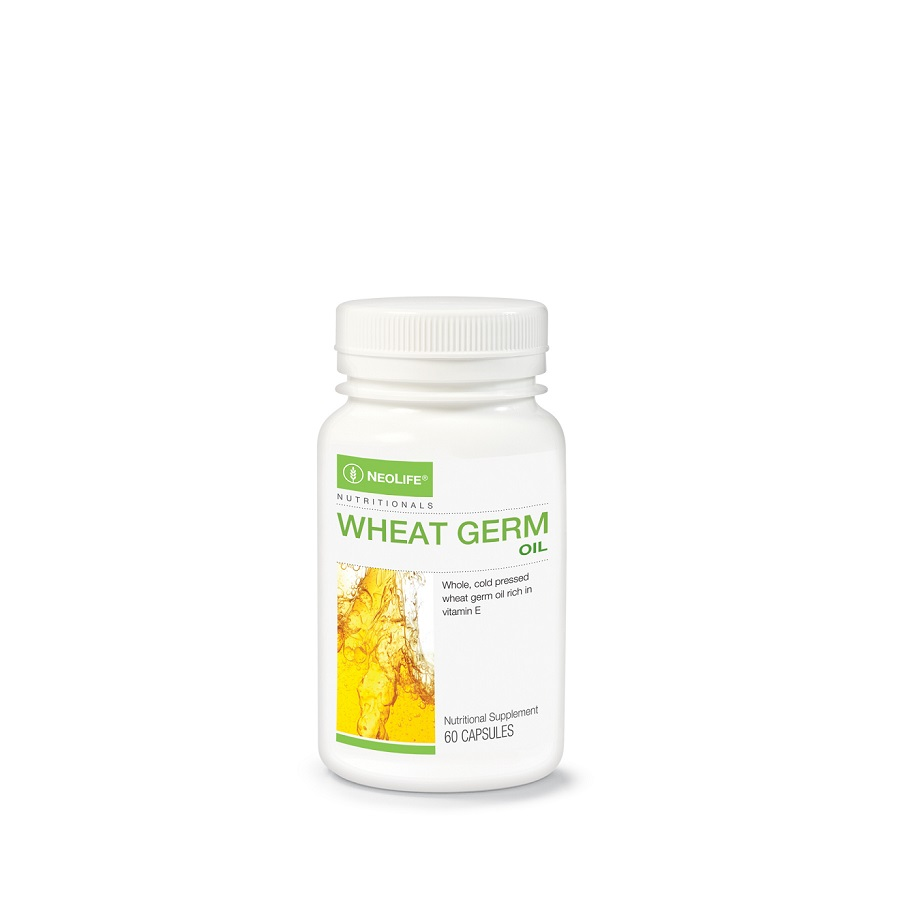
Whole, cold pressed wheat germ oil rich in naturally occurring Vitamin E which acts as a powerful antioxidant
₦38,910.00₦45,000.00
9%
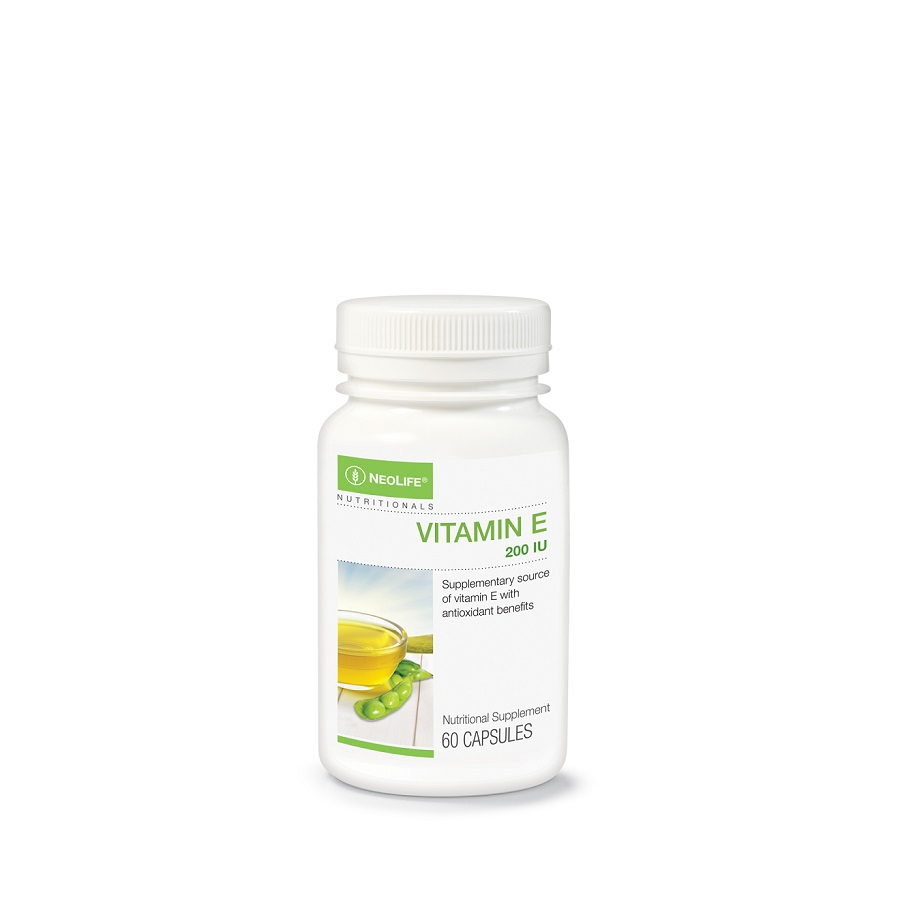
A powerful, fat-soluble antioxidant, to support overall health.
₦36,400.00₦40,000.00
January 30, 2026
Zinc: The Trace Mineral That Quietly Supports Everyday Health
February 8, 2026