



- Your cart is empty Browse Shop
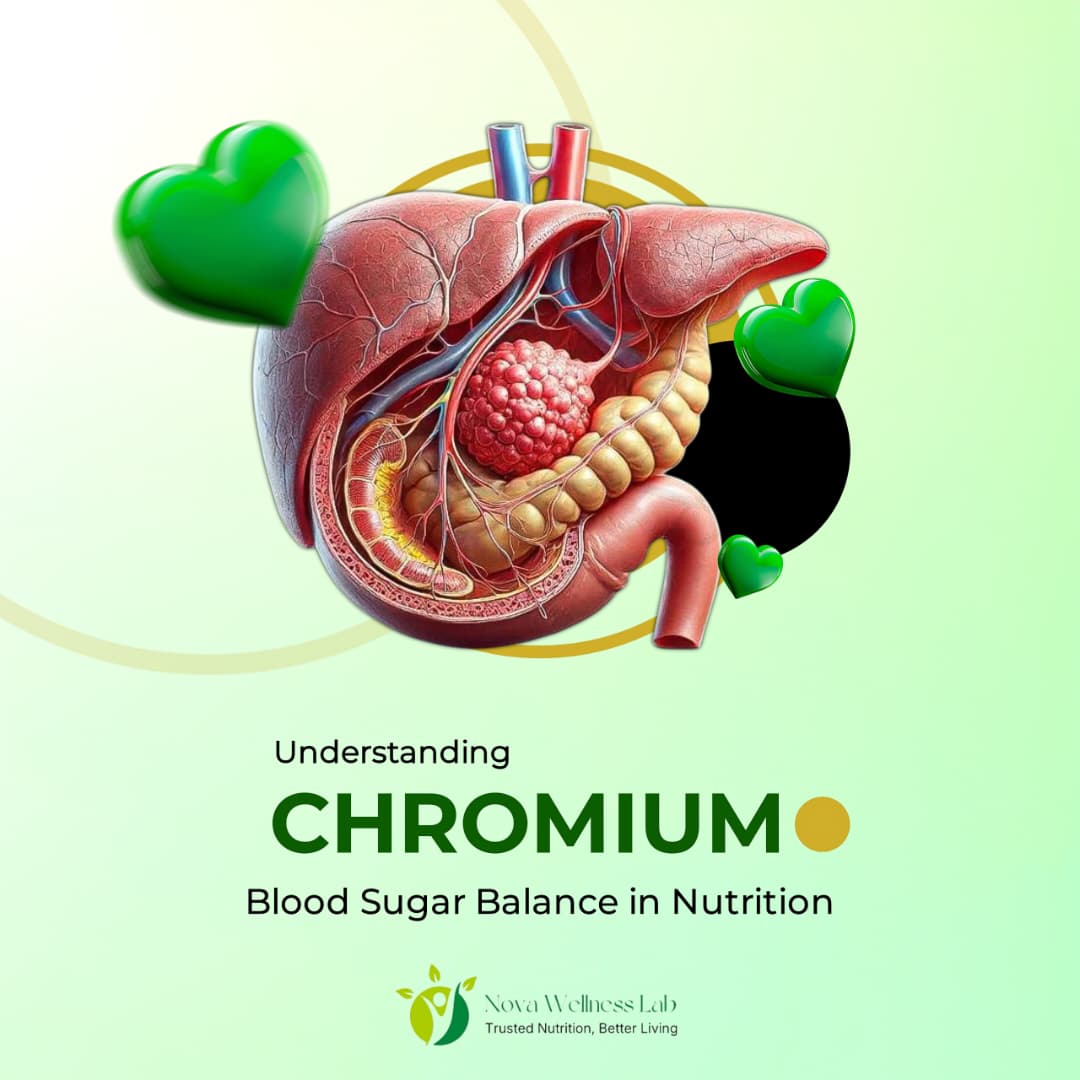
Chromium and Blood Sugar Balance: Understanding Its Role in Nutrition
C hromium is a trace mineral required by the body in very small amounts, yet it plays a meaningful role in normal metabolism. It is best known for its involvement in how the body processes carbohydrates, fats, and proteins.
One of chromium’s key functions is supporting the action of insulin, a hormone involved in moving glucose from the bloodstream into cells where it can be used for energy. By supporting normal insulin activity, chromium contributes to healthy blood sugar metabolism as part of a balanced diet.
Chromium is also involved in overall energy utilization. When carbohydrates are consumed, chromium helps ensure they are efficiently converted into usable energy rather than remaining unused in the bloodstream.
Dietary sources of chromium include whole grains, nuts, vegetables, and certain proteins, but food processing can significantly reduce chromium content. As a result, some individuals may not consume consistent amounts through diet alone.
Learning about chromium encourages a broader understanding of how micronutrients work behind the scenes, supporting everyday metabolic processes that people often take for granted.
Understanding Chromium in Everyday Metabolic Nutrition

Why Chromium Matters More With Age
As people grow older, the body’s ability to regulate energy and nutrient metabolism can change. Chromium plays a supportive role in these processes by contributing to normal carbohydrate and glucose metabolism. Even though it is required in very small amounts, its function becomes increasingly relevant as dietary patterns and metabolism evolve with age.
For older adults, chromium intake is often discussed in relation to maintaining normal blood sugar balance as part of a healthy lifestyle that includes balanced nutrition and physical activity. Consistency, rather than high intake, is key when it comes to trace minerals like chromium.

Natural Dietary Sources of Chromium
Chromium is naturally present in a range of everyday foods, including:
Whole grains and unrefined cereals
Nuts and seeds
Vegetables such as broccoli and green beans
Certain protein sources
However, modern food processing methods such as refining grains and prolonged storage can significantly reduce chromium content. This means that even balanced diets may provide inconsistent amounts over time.
Chromium Supplements and Their Role in Nutrition
Chromium supplements are designed to help support regular intake when dietary sources may be insufficient. These supplements typically provide chromium in forms that are easily utilized by the body as part of normal metabolic function.
Quality-focused chromium supplements often emphasize:
Quality-focused chromium supplements often emphasize:
Accurate, low-dose formulations
Stable and bioavailable chromium forms
Compatibility with daily nutrition routines
Supplementation is meant to support nutritional balance, not replace healthy eating habits.

Who May Consider Chromium Supplementation?
Chromium supplementation may be suitable for:
Adults focused on supporting normal blood sugar metabolism
Individuals interested in energy utilization from carbohydrates
Older adults seeking to maintain metabolic balance through nutrition
People whose diets rely heavily on processed foods
Anyone aiming to support overall micronutrient consistency
Individual nutritional needs vary, and choices should be based on personal diet and lifestyle considerations.

How Chromium Supplements Are Commonly Used
Chromium supplements are generally:
Taken daily in small amounts
Consumed with meals to align with carbohydrate intake
Used consistently as part of a balanced nutrition plan
Following label instructions ensures appropriate daily use.
Chromium may be a trace mineral, but its role in everyday metabolism is significant. For older adults, understanding chromium highlights how small nutritional components can quietly support energy balance and metabolic function over time. Education encourages thoughtful, sustainable wellness choices.
Recommended Products
13%


Whole, cold pressed wheat germ oil rich in naturally occurring Vitamin E which acts as a powerful antioxidant
₦38,910.00₦45,000.00
9%
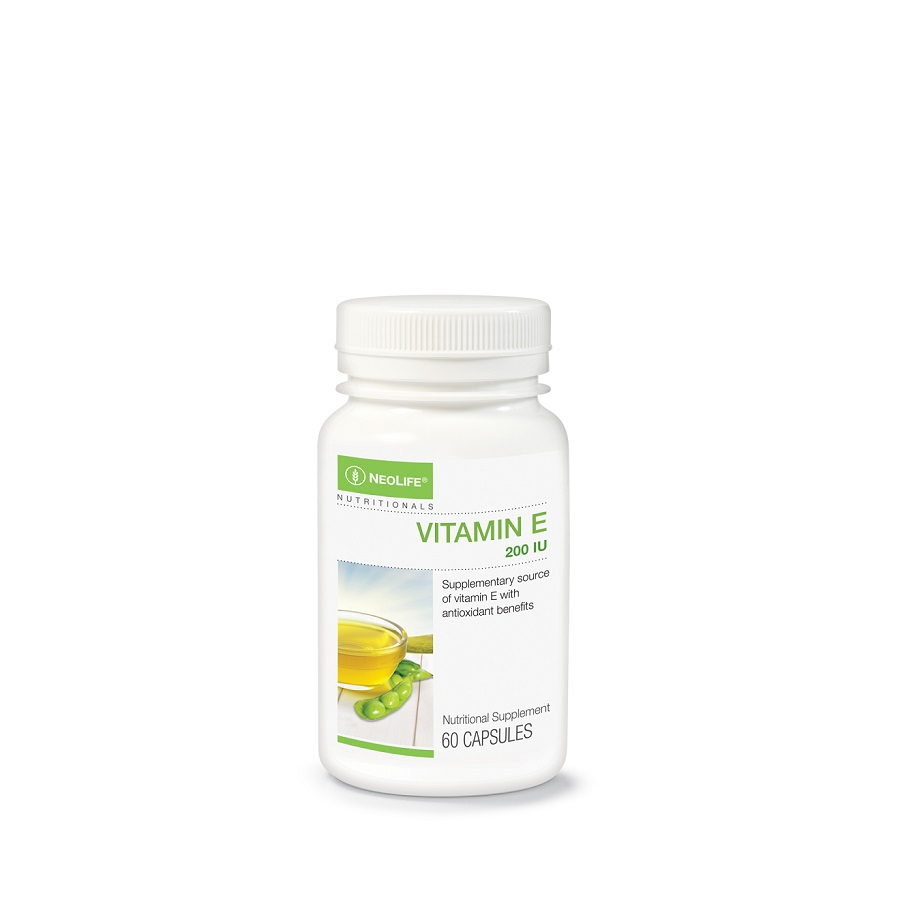
A powerful, fat-soluble antioxidant, to support overall health.
₦36,400.00₦40,000.00

Nova wellness lab is not a trend; it's a timeless commitment to our well-being and the well-being of our planet Nature's bounty, cultivated with care, organic food.
January 28, 2026
Vitamin C Explained: More Than Just Immune Support
January 30, 2026