



- Your cart is empty Browse Shop
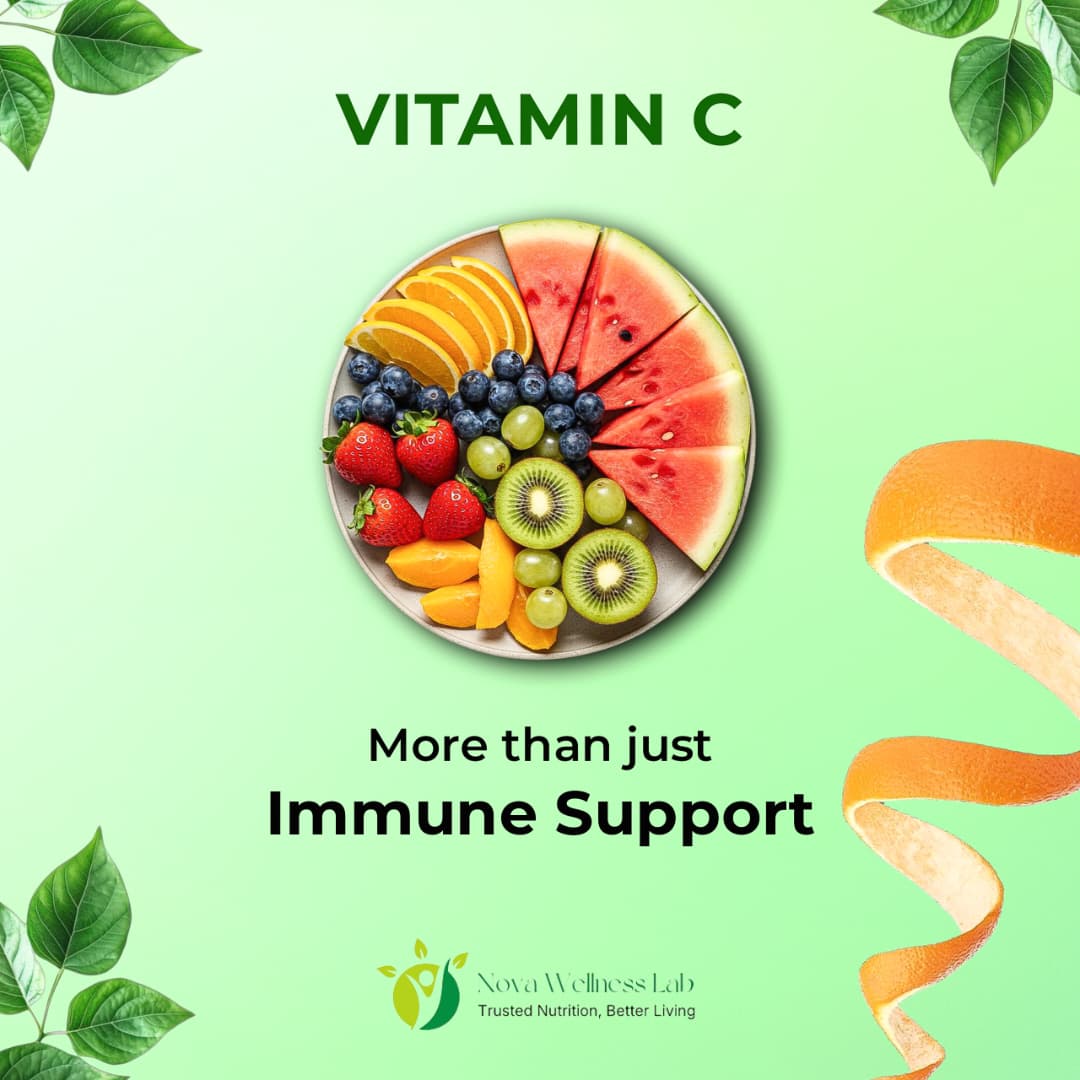
Vitamin C Explained: More Than Just Immune Support
V
itamin C, also known as ascorbic acid, is a water-soluble vitamin that plays multiple roles in maintaining normal body function. While it is commonly associated with immune support, its responsibilities go far beyond that single function.
One of vitamin C’s primary roles is its involvement in collagen formation. Collagen is a structural protein that supports skin, connective tissues, blood vessels, and joints. Without adequate vitamin C, the body cannot efficiently maintain or repair these tissues.
Vitamin C also functions as an antioxidant. Antioxidants help neutralize free radicals—unstable molecules produced during normal metabolism and environmental exposure. By supporting antioxidant activity, vitamin C contributes to cellular protection and overall wellness.
Another lesser-known role of vitamin C is its involvement in nutrient absorption. It enhances the absorption of non-heme iron (the type found in plant-based foods), making it especially relevant for individuals who rely heavily on plant-based diets.
Because vitamin C is water-soluble, the body does not store large amounts of it. This means regular intake through diet or supplementation is necessary to maintain normal levels. Understanding vitamin C helps individuals appreciate why consistency matters when it comes to daily nutrition.
Understanding Vitamin C Beyond Immunity

Why Vitamin C Becomes More Important With Age
As the body ages, natural repair processes can slow down, and nutrient absorption may become less efficient. Vitamin C plays a supportive role in many of these everyday processes by contributing to tissue maintenance, antioxidant protection, and normal cellular function.
For older adults, consistent vitamin C intake is often discussed in relation to maintaining skin integrity, joint comfort, blood vessel structure, and overall resilience. Because the body does not store large reserves of vitamin C, daily intake becomes especially important over time.

Dietary Sources of Vitamin C
Vitamin C is naturally found in a variety of fruits and vegetables, including:
Citrus fruits such as oranges, lemons, and grapefruit
Berries, including strawberries and blackcurrants
Bell peppers, broccoli, and leafy greens
Tomatoes and certain root vegetables
While a balanced diet can provide vitamin C, factors such as food storage, cooking methods, and reduced appetite may affect actual intake particularly in older adults.
Vitamin C Supplements: Their Role in Daily Nutrition
Vitamin C supplements are designed to help support consistent daily intake when dietary sources alone may not be sufficient. Because vitamin C is water-soluble, it is typically taken in divided or daily doses as part of a regular nutrition routine.
High-quality vitamin C supplements often focus on:
High-quality vitamin C supplements often focus on:
Stable and bioavailable forms
Gentle absorption for everyday use
Consistent potency over time
Supplementation is intended to support nutritional balance, not to replace whole foods or a healthy lifestyle.

Who May Consider Vitamin C Supplementation?
Vitamin C supplementation may be suitable for:
Adults focused on maintaining healthy skin and connective tissues
Individuals interested in antioxidant support for everyday cellular protection
People with limited fruit and vegetable intake
Older adults seeking to support nutrient absorption and tissue maintenance
Anyone aiming to maintain consistent daily vitamin intake
Personal nutritional needs vary, and individuals are encouraged to consider their overall diet and lifestyle when making supplementation choices.

Vitamin C supplements are typically:
Vitamin C supplements are typically:
Taken daily, often with meals
Used consistently rather than occasionally
Included as part of a broader wellness routine involving balanced nutrition, hydration, and physical activity
Vitamin C is more than a seasonal nutrient it is a foundational vitamin that supports everyday structure, protection, and balance in the body. For older adults, understanding vitamin C reinforces the importance of regular, consistent nutrition as part of a long-term wellness approach.
Recommended Products
2%

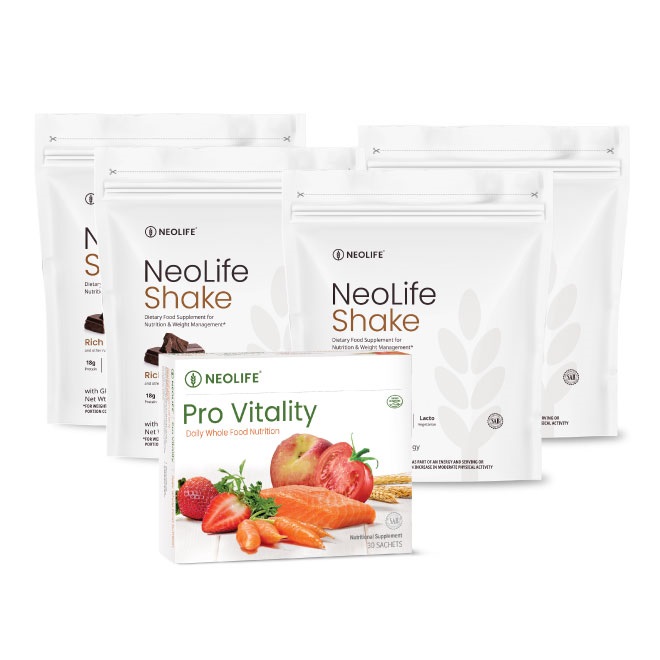
Lose weight, feel great and keep it off with our clinically proven weight loss programme. Cellular nutrition with Pro Vitality and a complete meal...
₦514,400.00₦530,300.00
2%
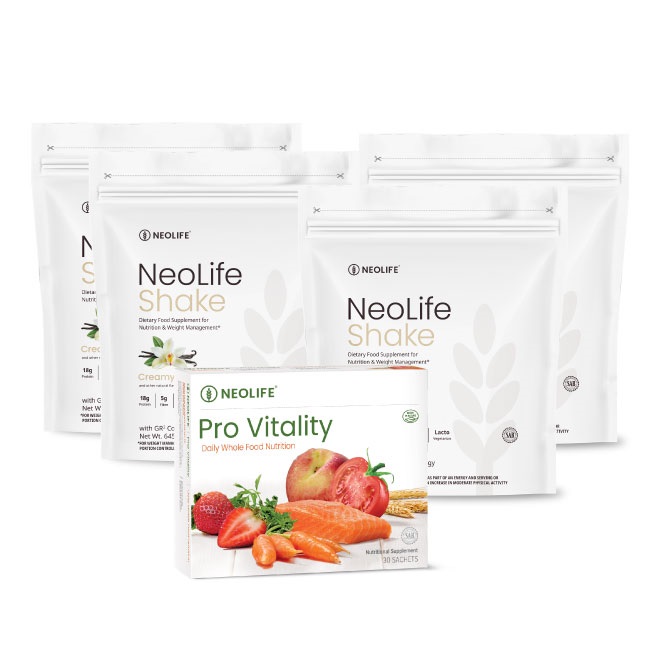
Lose weight, feel great and keep it off with our clinically proven weight loss programme. Cellular nutrition with Pro Vitality and a complete meal...
₦514,400.00₦530,300.00

Nova wellness lab is not a trend; it's a timeless commitment to our well-being and the well-being of our planet Nature's bounty, cultivated with care, organic food.
January 25, 2025